
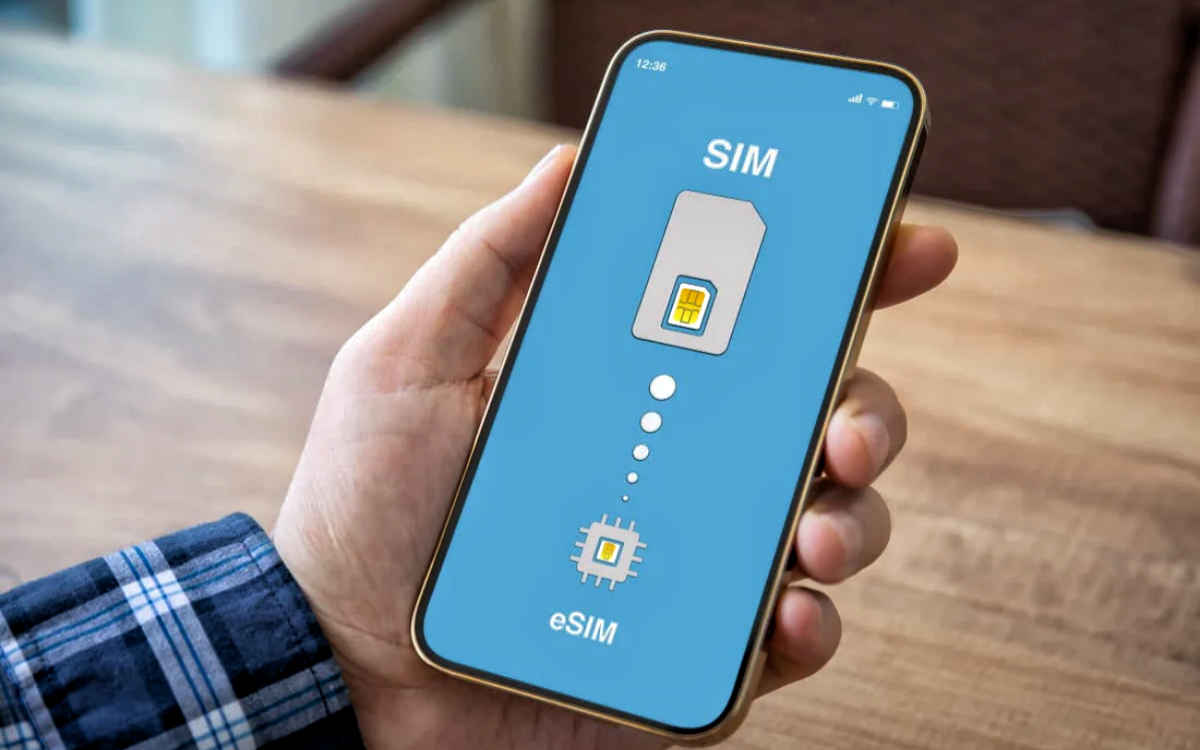
Using an eSIM Card in China: Key Problems
An eSIM card is one of the easiest ways for you to stay connected when visiting China. Instead of buying a physical SIM card after arrival, you can purchase a China-compatible eSIM online, install it before departure, and use mobile data immediately after landing.
In most of the situations, this is convenient. You can use maps, translation apps, WeChat, Alipay, email, and communication apps without visiting a mobile phone store in China.
However, using an eSIM in China also has some important limitations. For travel agencies, tour operators, business groups, and independent travelers, the issue is not only about internet access. It is also about Chinese phone numbers, SMS verification, hotel Wi-Fi, ticket booking, local apps, payments, and emergency communication.
The main point is simple:
An eSIM gives you internet access, but it may not give you full “China mobile life” access.
What Is an eSIM Card?
An eSIM is a digital SIM card built into a mobile phone. Instead of inserting a physical SIM card, travelers install a mobile data plan by scanning a QR code or using an eSIM app.
For China travel, most visitors buy a travel eSIM before departure. After arriving in China, they activate the eSIM and use it for mobile internet.
Why Travelers Use eSIM Cards in China
Many travelers choose eSIM cards because they are easy to prepare before the trip. It saves your hassle from finding a SIM card shop at the airport, change a physical SIM card, or wait for local registration.
With an eSIM, travelers can usually use:
- Online maps
- Translation apps
- WeChat pay
- Alipay
- WhatsApp or other messaging apps
- Hotel and airline apps
- Travel booking apps
For short-term visitors to China, business travelers, and group tour members, an eSIM can be a very convenient option.
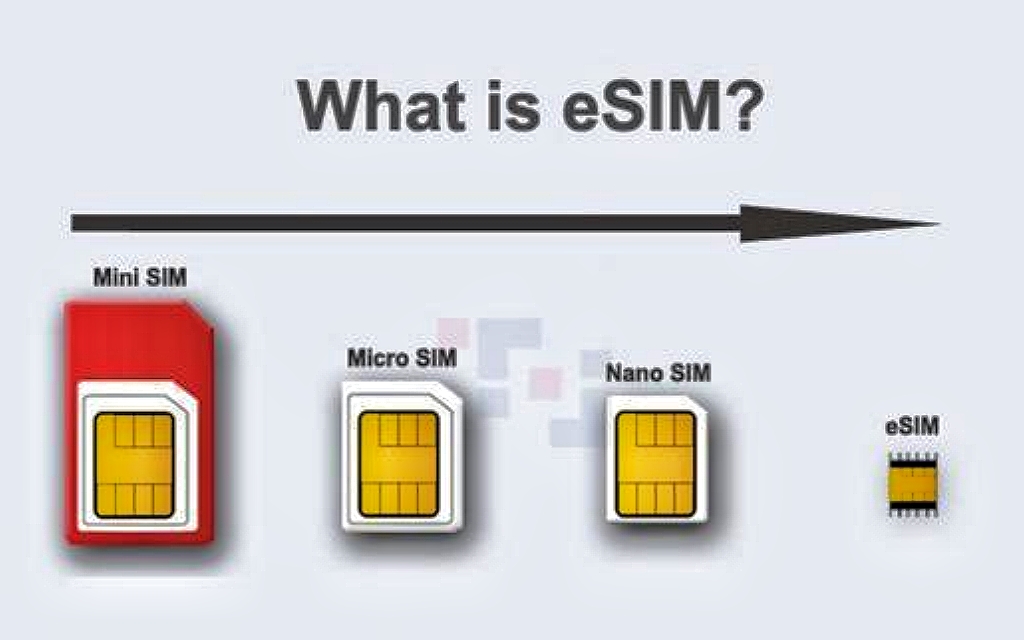
What is eSIM?
What are the Main Problems of Using an eSIM Card in China
Although eSIM is convenient, you should understand the possible problems before arriving in China.
Most China Travel eSIMs Are Data-Only
The biggest limitation is that many China travel eSIMs are data-only. This means you get internet access, but do not get a mainland Chinese mobile number.
This can be a problem because many local services in China are connected to mobile phone verification.
Why No Chinese Phone Number Can Be a Problem
Without a Chinese +86 mobile number, you may have difficulty using some local services, such as:
- Hotel Wi-Fi registration
- Restaurant waiting-list systems
- Some attraction ticketing platforms
- Food delivery apps
- Ride-hailing services
- Local mini-programs
- Some payment or account verification systems
For normal sightseeing travelers, this may not be a serious problem if they are traveling with a local guide or tour operator. However, for independent travelers, business travelers, or long-stay visitors, not having a Chinese phone number can be inconvenient.
SMS Verification May Not Work for Chinese Apps
Many Chinese APPs use SMS verification. Some systems only accept mainland Chinese mobile numbers.
If your eSIM is data-only, you may not be able to receive Chinese SMS verification codes. This can create problems when trying to register or confirm local services.
Common Situations Where SMS Verification Is Needed
You may need SMS codes for:
- Logging into local apps
- Booking certain attractions
- Connecting to hotel Wi-Fi
- Registering for mini-programs
- Using some transport or ticketing services
- Confirming local service accounts
This is one of the most common problems for international visitors using only an eSIM in China.
A Local Chinese eSIM Is Not Easy for Foreign Tourists
Many visitors assume they can simply buy a local Chinese eSIM after arrival. In reality, this is not always easy.
you usually need passport real-name registration when buying a Chinese SIM card ata the airport, or a Chinese phone store. In many cases, you need to visit an official China Mobile, China Unicom, or China Telecom store.
China eSIM
Why People Usually Prefer International Travel eSIMs
For short-term visitors, buying a local Chinese mobile plan can take time. Airport shops may not always offer t he best package, and communication may be difficult if the traveler does not speak Chinese.
That is why many tourists prefer to buy an international travel eSIM before departure for China.
However, the trade-off is clear:
A travel eSIM is easier to buy, but it usually does not provide a Chinese phone number.
A local Chinese SIM card gives stronger local functionality, but it requires registration and more time.
Not Every Phone Supports eSIM
Another issue is device compatibility. Not all mobile phones support eSIM.
Before buying a eSIM plan for your China trip, make sure to check whether your phone supports eSIM and whether the phone is unlocked.
What You Should Check Before Buying an eSIM
You should confirm:
- The phone supports eSIM
- The phone is unlocked
- The plan covers mainland China
- The eSIM can be installed before departure
- The provider offers customer support
- The eSIM plan matches the travel dates
Some phone models sold in different markets may have different SIM and eSIM settings. For example, some phones may support dual physical SIM cards but not eSIM.
Some eSIMs May Route Through Overseas Networks
Many international travel eSIMs do not work exactly like local Chinese SIM cards. Some of them route internet traffic through overseas networks.
This can be helpful in some cases, but it can also create performance issues.
Possible Benefits
Some international eSIMs may allow easier access to international apps and websites, depending on how the service is routed.
You may find it easier to use:
- Gmail
- YouTube
- Other international apps
This can be useful if you rely on these apps during your China trip.
What are the Possible Disadvantages to Use eSIM card?
The connection may sometimes be slower than a local Chinese SIM card. You may also experience higher latency, especially when using video calls, cloud apps, or real-time navigation.
Performance can vary in:
- Crowded tourist areas
- High-speed trains
- Mountain areas
- Remote countryside destinations
- Underground locations
- Large exhibition venues
For most of the people, this is acceptable. But for business travelers or travelers who need stable internet for work, it is important to choose a reliable eSIM provider.
Many eSIMs Do Not Include Normal Phone Calls
Most travel eSIMs are designed for mobile data. They often do not include regular voice calls.
You can still call through internet-based apps such as WeChat, WhatsApp, FaceTime, Messenger, or Teams. But you may not be able to make normal local phone calls.
Why This Matters Your Tour in China
Without a normal phone number, you may not be able to call:
- Hotels
- Restaurants
- Drivers
- Local guides
- Attraction offices
- Airline counters
- Local service providers
For group tours to China, this is usually not a major issue because the local guide or travel company handles communication. For independent travelers, it can be more inconvenient.
Hotspot Sharing May Be Limited
Some eSIM providers allow hotspot sharing, but some limit it or do not allow it at all.
This is important, if you want to share one mobile data plan with other devices.
Who Should Check Hotspot Rules Carefully?
Hotspot function is especially important for:
- Families traveling together
- Tour leaders
- Business groups
- Travelers using laptops
- Travelers carrying tablets
- Clients who want to share data with another phone
Before buying an eSIM, you should check whether hotspot or tethering is allowed.
Installation and Activation Mistakes Can Cause Problems
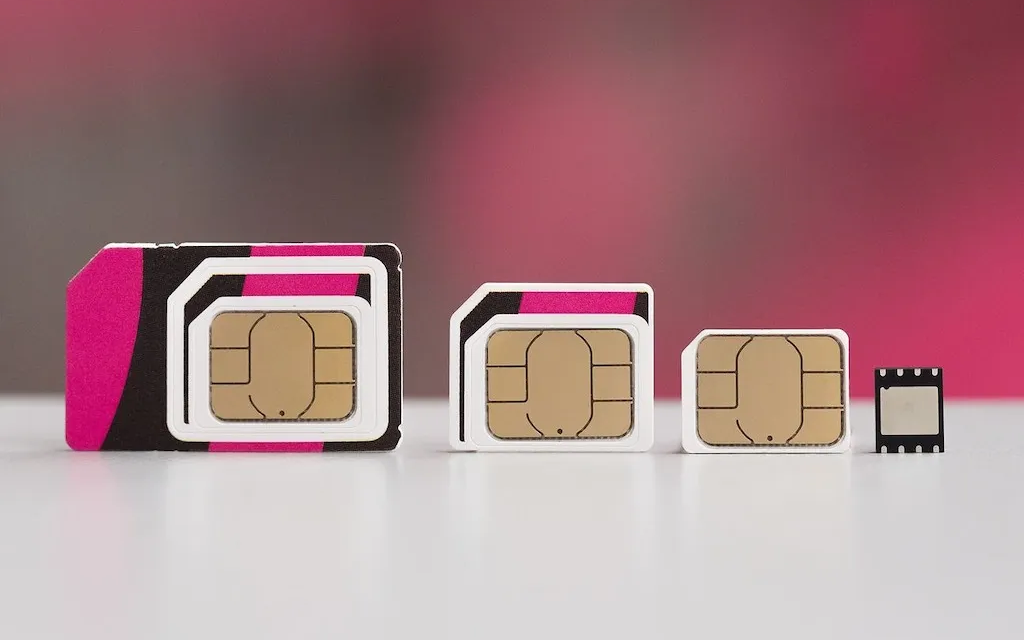
eSIM Cards
Many eSIM problems happen because travelers install or activate the plan incorrectly.
A physical SIM card can usually be removed and reinserted. But an eSIM may not be so flexible. Some eSIM QR codes can only be installed once.
Common eSIM Mistakes
Travelers often make these mistakes:
- Installing the eSIM too early
- Activating the plan before the trip starts
- Deleting the eSIM after installation
- Forgetting to turn on data roaming
- Setting the wrong SIM as the mobile data line
- Forgetting to keep the original SIM active for SMS codes
- Buying a plan that does not cover mainland China
- Buying too little data for the whole trip
Once an eSIM is deleted, the traveler may need customer support to reinstall it. In some cases, they may need to buy a new plan.
Best Advice If You Are Using eSIM in China
If you are coming to China for a short-term stay, the best solution is:
Use a travel eSIM for internet, and keep the original SIM active for SMS verification.
This allows you to use mobile data in China while still receiving important SMS codes from their home country.
When eSIM Is a Good Choice
An eSIM is suitable for:
- Short-term stay in China
- Group tour memberstraveling together in China on an organized tour
- Business travelers on short trips
- Travelers who mainly need internet
- Travelers who use WeChat, Alipay, maps, and translation apps
- Travelers who do not need a Chinese phone number
When a Physical Chinese SIM Card Is Better
A physical Chinese SIM card may be better for:
- Long-stay travelersin China
- Students
- Expatriates
- Business visitors staying in China for a long time
- Travelers who need a Chinese +86 phone number
- Travelers who need frequent local phone callsin China
- Travelers who need full access to local Chinese apps and services
A physical Chinese SIM card usually requires passport registration after arrival.
eSIM or Chinese SIM Card: Which Is Better for China Travel?
There is no single best answer. It depends on the traveler’s needs.
Choose an eSIM If You Want Convenience
An eSIM is better if the you want:
- Easy setup before departure
- Internet immediately after arrival
- No need to visit a phone store
- No need to change a physical SIM card
- A simple solution for a short China trip
Choose a Chinese SIM Card If You Need Local Functions
A local Chinese SIM card is better if you need:
- A mainland Chinese phone number
- SMS verification for Chinese apps
- Local phone calls
- Better local service compatibility
- Longer-term mobile use in China
Recommendation for China Travel
A China travel eSIM is a convenient way to stay connected during a China trip. It is useful for internet access, maps, translation, WeChat, Alipay, email, and communication apps.
However, you should understand its limitations. Most travel eSIMs are data-only and do not provide a mainland Chinese mobile number. Some Chinese apps, hotel Wi-Fi systems, ticketing platforms, restaurant systems, or local services may require a Chinese phone number for SMS verification.
For most visitors, we recommend using a travel eSIM for internet access and keeping the original SIM active for SMS codes.
If you need full local mobile functions, a physical Chinese SIM card may still be necessary after arrival.

Our guests have a pleasant journey in China.