
Indian Group Travel in China: Why Hotels Reject Chefs
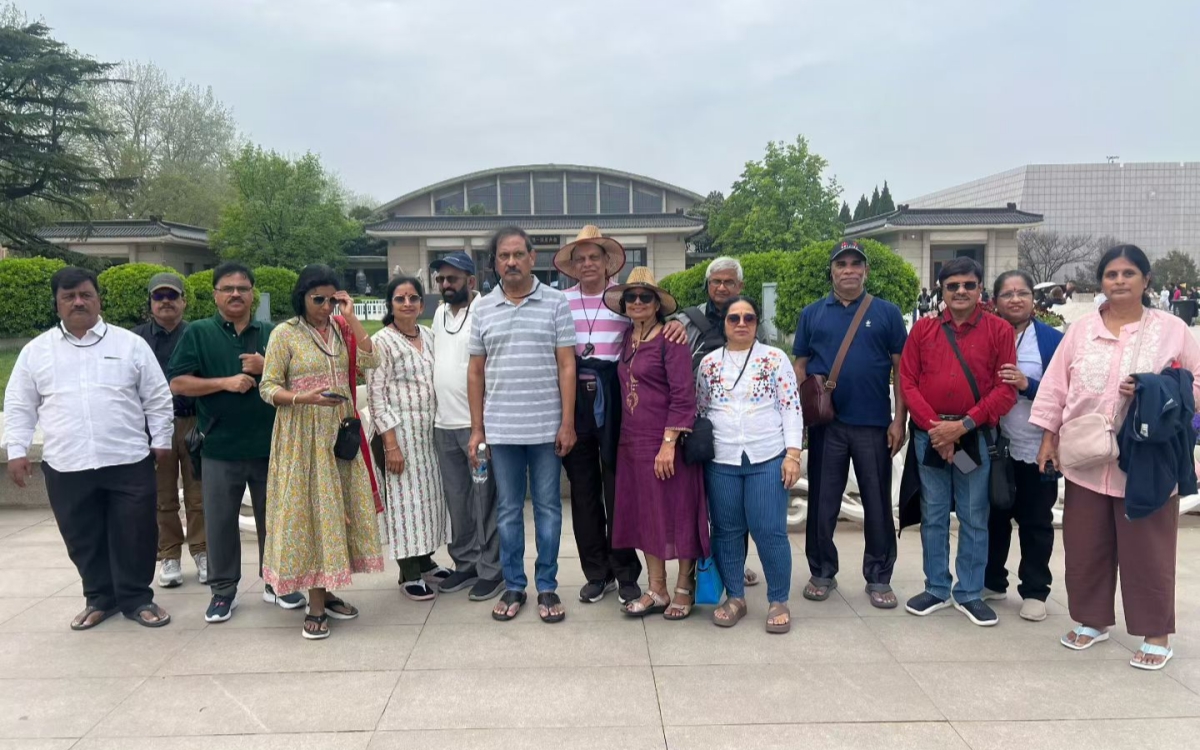
For many Indian travel groups visiting China, one of the most common requests is to bring an Indian chef along to prepare authentic meals during the tour. This is particularly important for incentive groups, religious groups, corporate delegations, wedding parties, and travelers with strict dietary preferences.
However, many Indian travel agencies are surprised when Chinese hotels or restaurants decline such requests. At first glance, this can seem puzzling or even frustrating. Why would a hotel refuse to allow a qualified chef to cook for a group of paying guests? Does not the hotel want to make money from it?
The reasons are usually practical rather than personal. In most cases, Chinese hotels are not refusing because the group is Indian. Instead, their concerns relate to food safety regulations, operational challenges, legal liability, and business considerations.
Understanding these factors can help travel agencies in India work more effectively with hotels and achieve better outcomes for their clients.
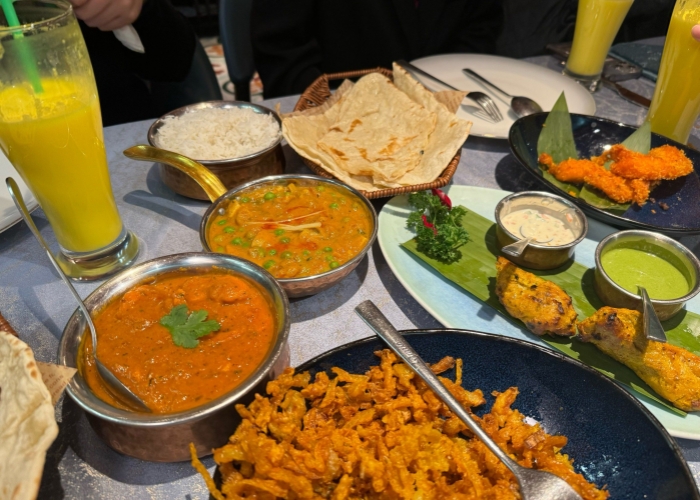
India Food
Food Safety Regulations Are a Major Concern
China has some of the world’s most comprehensive food safety regulations. Hotels and restaurants are subject to regular inspections and strict compliance requirements.
When an outside chef enters a hotel’s kitchen and prepares food, several questions immediately arise:
- Who is responsible if guests become ill?
- Were the ingredients sourced through approved channels?
- Were proper food handling procedures followed?
- Does the chef possess locally recognized health certifications?
- Can the hotel guarantee compliance with food safety regulations?
Even if the visiting chef is highly experienced, the hotel may still bear legal responsibility should any food-related issue arise.
For this reason, many hotels adopt a simple policy:
“Only hotel-employed chefs are permitted to prepare food in the kitchen.”
This policy minimizes legal and operational risk.
Liability and Insurance Issues
Food preparation is not only a culinary matter; it is also a legal and insurance matter.
Most Chinese hotels maintain insurance policies that cover food service operations conducted by their own employees. When an outside chef uses the kitchen, insurance coverage may become unclear.
Hotel management may worry about:
- Food poisoning claims
- Workplace accidents
- Equipment damage
- Fire safety risks
- Hygiene compliance
From the hotel’s perspective, allowing an external chef into the kitchen may create liabilities that are difficult to manage.
Even when hotel managers personally wish to accommodate a group, and a China DMC is trying to coordinate, but corporate policies or insurance requirements may prevent them from doing so.
Operational Disruptions to the Kitchen
Hotel kitchens are carefully organized environments designed to serve hundreds or even thousands of meals daily.
Introducing an outside chef often creates operational challenges.
Indian cuisine typically requires:
- Specialized spice preparation
- Different cooking techniques
- Separate preparation areas
- Extended cooking times
- Additional storage requirements
For example, preparing a large Indian buffet may involve dozens of spices and ingredients that are not part of the hotel’s regular inventory.
The hotel must allocate:
- Kitchen space
- Refrigeration space
- Staff assistance
- Cleaning resources
- Equipment access
For a busy hotel, accommodating these additional requirements can significantly disrupt normal operations.
Ingredient and Procurement Challenges
Authentic Indian cuisine often relies on specific ingredients that may not be readily available through the hotel’s existing supply chain.
Common examples include:
- Paneer
- Curry leaves
- Certain lentils
- Specialty flours
- Specific spice blends
- Regional ingredients
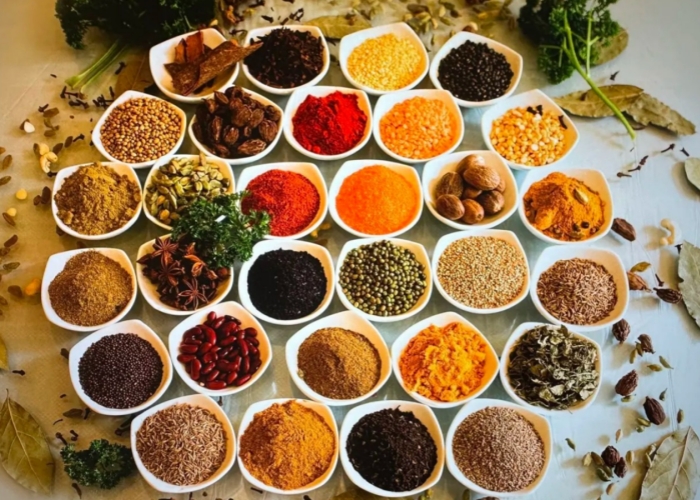
Indian Spice
Hotels may hesitate to allow external ingredients into their kitchens because they cannot verify sourcing, storage conditions, or quality control procedures.
From a compliance perspective, hotels generally prefer to use ingredients purchased through approved suppliers.
Concerns About Cross-Contamination
Many Indian groups have strict dietary requirements.
These may include:
- Vegetarian-only meals
- Jain meals
- Halal meals
- Religious dietary restrictions
At the same time, hotels often serve international guests with diverse dietary preferences.
Hotel management may worry about:
- Cross-contamination between food preparation areas
- Separation of vegetarian and non-vegetarian cooking stations
- Compliance with religious dietary requirements
- Guest complaints resulting from misunderstandings
Rather than risking mistakes, some hotels prefer to prepare meals under their own controlled procedures.
Kitchen Odors and Ventilation Considerations
Authentic Indian cooking frequently involves aromatic spices and cooking methods that create strong and distinctive fragrances.
Ingredients such as:
- Cumin
- Cardamom
- Cloves
- Fenugreek
- Garam masala
- Mustard seeds
can produce aromas that linger in kitchen and ventilation systems.
Luxury hotels are particularly sensitive to maintaining a consistent dining environment for all guests.
Some hotel operators worry that strong cooking aromas may affect:
- Other restaurants within the property
- Banquet operations
- Executive lounges
- Guest perceptions
Although this is not always a major issue, it can influence management decisions.
Financial Considerations
Food and beverage operations are a significant source of revenue for hotels.
When a group brings its own chef, hotels may lose potential income from:
- Catering services
- Banquet packages
- Restaurant dining
- Beverage sales
At the same time, the hotel must still provide:
- Kitchen facilities
- Utilities
- Cleaning services
- Staff support
From a business perspective, some hotels conclude that the arrangement offers limited financial benefit while increasing operational complexity.
Previous Experiences Shape Hotel Policies
Many Chinese hotels that frequently host international groups have encountered both positive and negative experiences.
Past challenges may include:
- Last-minute menu changes
- Kitchen scheduling conflicts
- Equipment misuse
- Excessive cleaning requirements
- Miscommunication between hotel staff and visiting chefs
As a result, some hotel groups implement blanket policies that prohibit outside chefs altogether.
These policies are often based on previous operational experiences rather than attitudes toward any particular nationality.
The Most Practical Meal Solutions for Indian Travel Groups Visiting China
This often saves both time and money.
Option 1: Dine at Authentic Indian Restaurants Throughout China
China’s major tourism destinations now offer a growing number of excellent Indian restaurants operated by experienced Indian chefs and restaurateurs.
Cities such as:
all have Indian restaurants capable of serving both individual travelers and large tour groups.
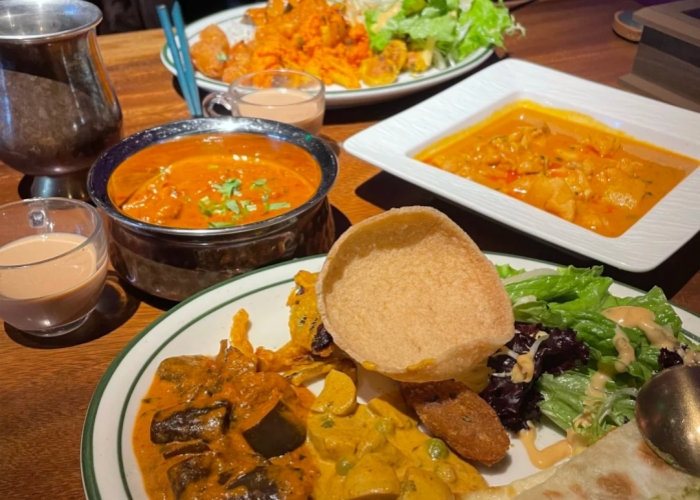
Indian Restaurants in Beijing
This approach offers several advantages:
- Authentic Indian flavors
- Professional Indian chefs
- Established food safety standards
- No hotel kitchen restrictions
- Consistent dining experience throughout the journey
For many groups, dining at established Indian restaurants is the simplest and most reliable way to enjoy authentic meals while traveling in China.
Option 2: Work with a Professional China DMC to Coordinate Indian Dining
For larger groups, incentive tours, educational delegations, religious groups, and corporate events, partnering with a professional China DMC can significantly enhance the dining experience.
An experienced DMC can:
- Identify quality Indian restaurants in each destination
- Reserve suitable venues for large groups
- Arrange vegetarian, Jain, halal, or special dietary meals
- Coordinate meal schedules with sightseeing activities
- Handle transportation logistics to and from restaurants
- Ensure consistent food quality throughout the trip
Rather than relying on a single chef traveling with the group, this approach leverages a network of trusted Indian restaurants across China.
At ChinaTourDMC, we regularly assist travel agents and tour operators by coordinating Indian dining arrangements in major destinations throughout China. Through our local network and destination expertise, we help ensure that travelers enjoy authentic Indian cuisine while maintaining smooth tour operations and compliance with local regulations.
With proper planning and the right local partners, authentic Indian meals can almost always be arranged successfully in major cities in China.
The key is understanding the hotel’s concerns and working collaboratively to find solutions that satisfy both operational requirements and Indian guest expectations.