

Essential Travel Do’s for First-Time Visitors to China
Planning China trip for your clients? Proper preparation can make the difference between a good journey and an exceptional one.
China is one of the world’s most fascinating destinations, combining thousands of years of history with some of the most advanced transportation systems and digital services on the planet. From the ancient wonders of Beijing and Xi’an to the dramatic landscapes of Guilin, Zhangjiajie, and Yunnan, travelers quickly discover that China offers experiences unlike anywhere else in the world.
At the same time, daily life in China functions differently from many Western countries. Mobile payments dominate transactions, transportation systems are highly digitized, and local travel apps often play a significant role in navigating cities and attractions. Understanding these practical differences before departure will help ensure a smoother and more enjoyable journey.
Whether clients are visiting China on a private tour, or traveling in a group, here are the essential things every traveler should do before and during their trip.
Set Up Mobile Payment Apps Before Arrival
One of the first things international visitors notice in China is how widely mobile payments are used. From restaurants and convenience stores to taxis and attraction ticket offices, many businesses prefer digital payments over cash or physical cards.
Before traveling to China, download both WeChat and Alipay and link your international credit card. Most major international cards, including Visa and Mastercard, can now be connected directly to these platforms.

Wechat pay
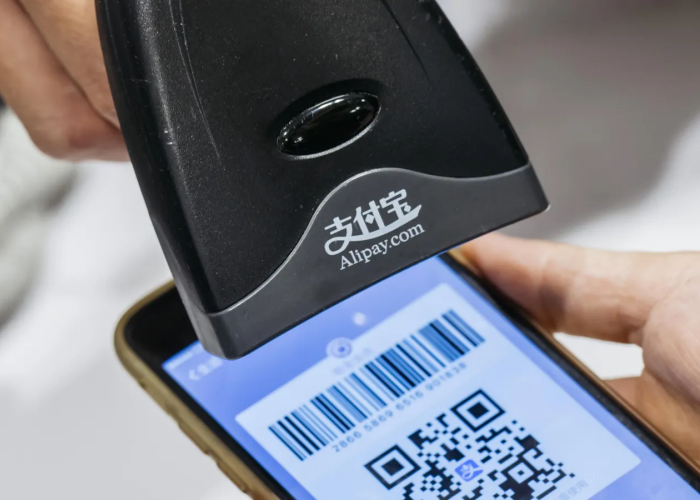
Alipay
Completing account verification before departure can save valuable time after arrival. It is also advisable to notify your bank of your travel plans to avoid transactions being flagged as suspicious overseas activity.
Although cash remains legal tender and larger establishments often accept international credit cards, having mobile payment capability significantly improves convenience throughout trip in China.
Always Carry Your Passport
In many countries, travelers can leave their passports safely in a hotel room. In China, however, passport serves as the primary identification document and is frequently required for transportation and tourism services.
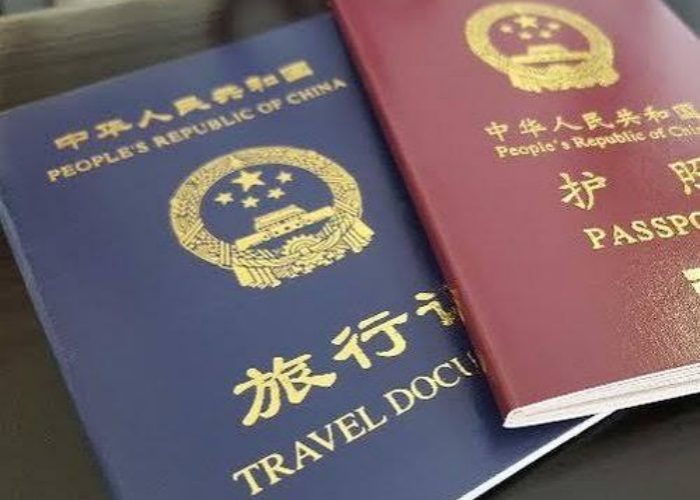
Hotels require passport registration during check-in. High-speed train stations, airports, and some attractions may also require identity verification linked directly to the passport.
For added security, keep digital copies of the passport, visa, travel insurance, and important reservation confirmations stored securely on phone or in cloud storage. While digital copies are helpful in emergencies, they do not replace the need to carry the original document when traveling between destinations.
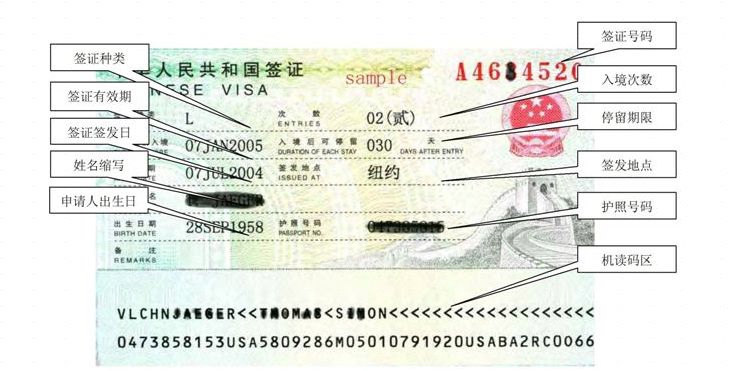
Information to be filled in following the visa page
Save Hotel and Destination Information in Chinese
China’s major cities are becoming increasingly international, but English is not universally spoken outside major hotels and tourism facilities.
Before leaving hotel each day, save the hotel’s address and phone number in Chinese characters. This can be extremely useful when communicating with taxi drivers, ride-hailing services, or local residents.
The same applies to tourist attractions, restaurants, and transportation hubs. Having destination names written in Chinese makes communication significantly easier and reduces misunderstandings.
Many experienced travelers simply take screenshots of key locations before heading out for the day.

Passport scanning when checking in the hotel
Take Advantage of China’s High-Speed Rail Network
China operates one of the largest and most advanced high-speed railway systems in the world. For many routes, traveling by train is faster, more comfortable, and more convenient than flying.
High-speed trains connect major destinations including Beijing, Shanghai, Xi’an, Chengdu, Guangzhou, Guilin, Hangzhou, Shenzhen, and many others. Trains are known for their punctuality, cleanliness, and efficient boarding procedures.

China high-speed railway
For travelers exploring multiple cities, high-speed rail often provides the most enjoyable way to experience the country. Instead of spending hours in airports, passengers can travel directly between city centers while enjoying comfortable seating and scenic views.
Tickets typically become available 15 days before departure. During holidays such as Chinese New Year, National Day Golden Week, and summer vacation periods, advance booking is highly recommended.
Don’t Miss Regional Chinese Cuisine
Many visitors arrive in China familiar with only a small portion of Chinese cuisine. Once they begin traveling, they quickly discover that every region has its own culinary traditions, ingredients, and cooking styles.
In Beijing, visitors can enjoy the city’s famous roast duck. Sichuan is renowned for its bold flavors and distinctive peppercorn spice. Xi’an offers hand-pulled noodles and Silk Road-inspired dishes. Guangdong is celebrated for Cantonese cuisine and dim sum, while Xinjiang is known for flavorful halal dishes influenced by Central Asian traditions.

Map of regional Chinese cuisine
One of the best ways to experience Chinese culture is through food tasting. Be open to trying local specialties and regional dishes rather than seeking familiar international options at every meal.
Restaurants that attract large numbers of local customers are often excellent places to enjoy authentic cuisine.
Download Survival China Travel Apps
China’s digital ecosystem differs significantly from many Western countries, making local applications particularly valuable for travelers.
Several apps can greatly enhance your experience:
- WeChat for communication and payments
- Alipay for payments and travel services
- DiDi for ride-hailing
- Amap (Gaode Maps) for navigation
- Translation apps for language assistance

Apps you need for traveling to China
Many visitors find DiDi (Chinese version of Uber) especially useful because the application provides English-language functionality and helps eliminate communication barriers when arranging transportation.
Downloading and setting up these apps before departure can help you avoid connectivity or verification issues after arrival.
Respect Local Customs and Religious Traditions
China is home to a rich blend of cultural and religious traditions, including Buddhism, Taoism, Islam, Christianity, and numerous local customs that have developed over centuries.
When visiting temples, mosques, monasteries, churches, or sacred mountains, dress respectfully and observe local etiquette.
Photography may be restricted in certain areas, particularly near active worship spaces or religious ceremonies. Always pay attention to posted signs and ask for permission when unsure.
Respectful behavior not only enhances your own experience but also demonstrates appreciation for the cultural heritage and traditions that make these sites meaningful to local communities.

The Hanging Temple of Hengshan is like a delicately crafted relief embedded in steep cliffs

Thousand-Armed Bodhisattva at Shuanglin Temple
Explore Beyond Beijing and Shanghai
Beijing and Shanghai are extraordinary destinations, but they represent only a small part of China’s diversity.
Travelers who venture beyond the major gateway cities often discover some of the country’s most memorable experiences:
- The limestone peaks of Guilin
- The dramatic sandstone pillars of Zhangjiajie
- The giant pandas of Chengdu, the ancient architecture of Pingyao
- The ethnic cultures of Yunnan
- The Silk Road history of Dunhuang each reveal different dimensions of China.

Li River Cruise in Guilin
Adding even one regional destination to your itinerary can provide a deeper understanding of the country’s geography, history, and cultural diversity.
Carry a Small Amount of Cash
Although digital payments dominate daily life in China, carrying a modest amount of cash remains a sensible precaution.
A small reserve of Chinese Yuan (RMB) can be useful in situations when:
- your mobile connectivity is temporarily unavailable
- your phone battery is depleted
- a payment verification issue occurs.
Cash may also be convenient when visiting certain rural areas, local markets, or smaller family-run businesses.

Different denominations of RMB (Chinese currency)
Most travelers find that they rarely need cash, but having some available provides valuable peace of mind.
Learn a Few Basic Mandarin Phrases
While translation apps can assist with most communication needs, learning a few basic Mandarin expressions can significantly improve interactions during your trip.
Simple phrases such as:
- 你好 (nǐ hǎo) = Hello
- 谢谢 (xièxiè) = Thank you
- 多少钱?(duōshǎo qián) = How much?
- 洗手间在哪里?= Where is the bathroom?
can make daily situations easier and often lead to friendlier exchanges with local residents.
Many Chinese people appreciate visitors who make an effort to learn even a few words of the local language.

Essential Chinese phrases
China continues to become more accessible for international visitors. Expanded visa-free policies, improved international payment solutions, modern transportation infrastructure, and growing tourism services have made travel easier than ever before.
The key to a successful trip is preparation. By setting up your payment methods, downloading essential apps, carrying your passport, and understanding a few local customs, you can navigate the country with confidence and focus on what truly matters—experiencing China’s incredible history, culture, cuisine, and landscapes.
Whether you are exploring ancient imperial capitals, hiking through breathtaking mountain scenery, discovering Silk Road heritage, or enjoying the energy of modern cities, these simple preparations will help ensure a smoother, more rewarding journey from the moment you arrive.